I'm running late for the meeting, and I can't find my tie!
No worries, I'll let them know you'll be a few minutes late.
这个回应是正确答案
I hope I chose the right tie for today's meeting.
After the meeting, let's grab lunch and discuss the tie-up with the new client.
-
search 看英文解释 arrow_drop_down
The speaker is worried because they are running late and cannot find a tie.
They need immediate help with the meeting.
(A) addresses this need by offering to inform the others that the speaker will be late.
(B) focuses on choosing a tie, which does not solve the urgent problem.
(C) changes the subject to lunch and a future plan, so it also does not help.
No information is given about (D), so it cannot be evaluated.
Therefore, (A) is the best response.
search To button up means to fasten all the buttons on clothing so it is closed. Figuratively, it can also mean to finish or secure something completely, like “button up the report before the deadline.”
这是正确答案
search Button-down most often describes a shirt whose collar tips are fastened to the shirt with small buttons. It can also be used metaphorically to describe something conservative or conventional, e.g., “a button-down job in finance.”
你对这个单字的记忆保留率会随着时间流逝而下降。 了解如何对抗记忆遗忘曲线。
A button-up shirt is any shirt that buttons up the front, including dress shirts. It has buttons running down the front, from the collar to the hem. It is a versatile piece of clothing that can be worn for both formal occasions and casual outings.
A button-down shirt specifically refers to a shirt where the collar has buttons that fasten it down to the shirt. It's a bit more casual and great for both professional and relaxed settings.
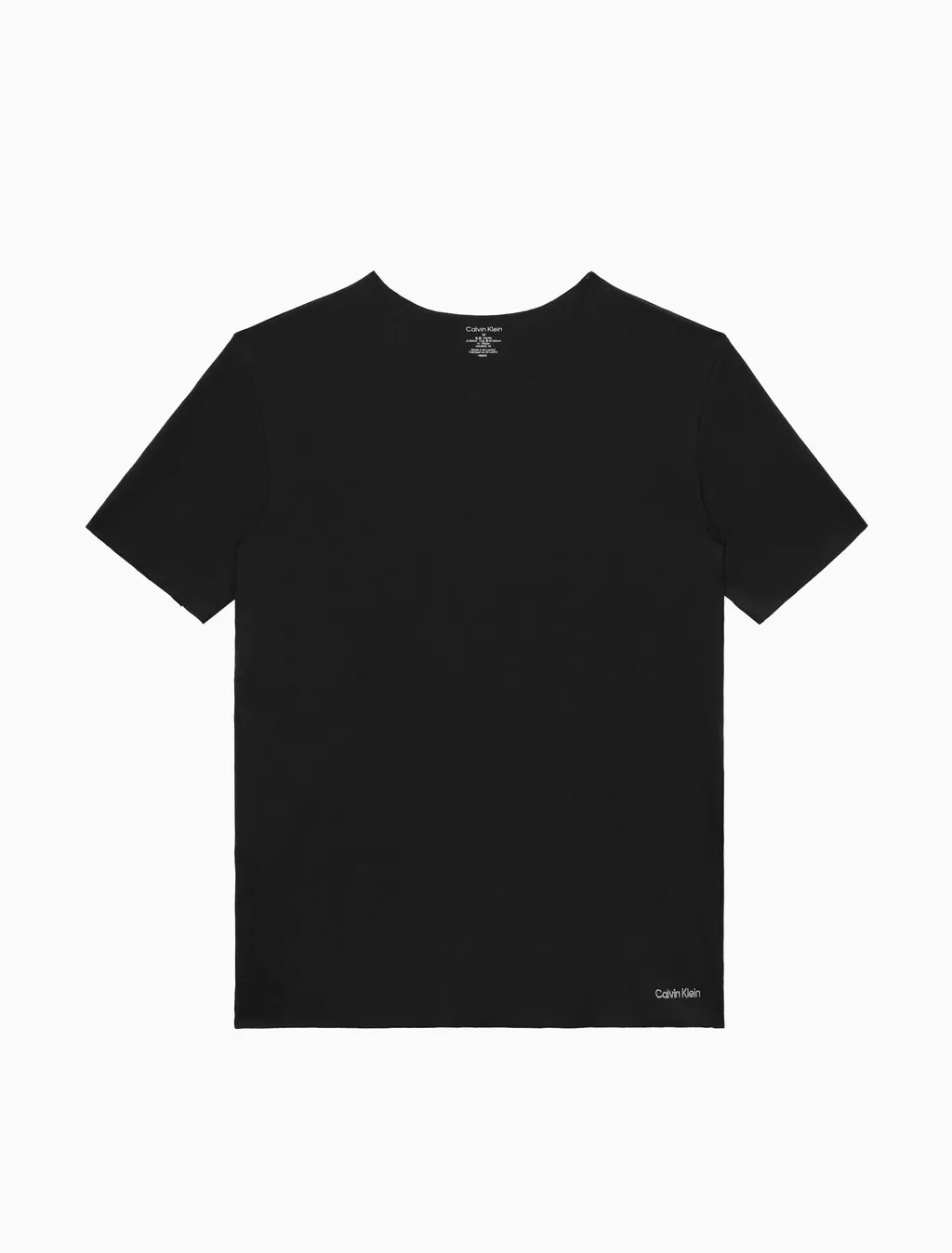
Crew-neck is a term used to describe the round neckline on garments such as T-shirts, sweaters, and other tops.
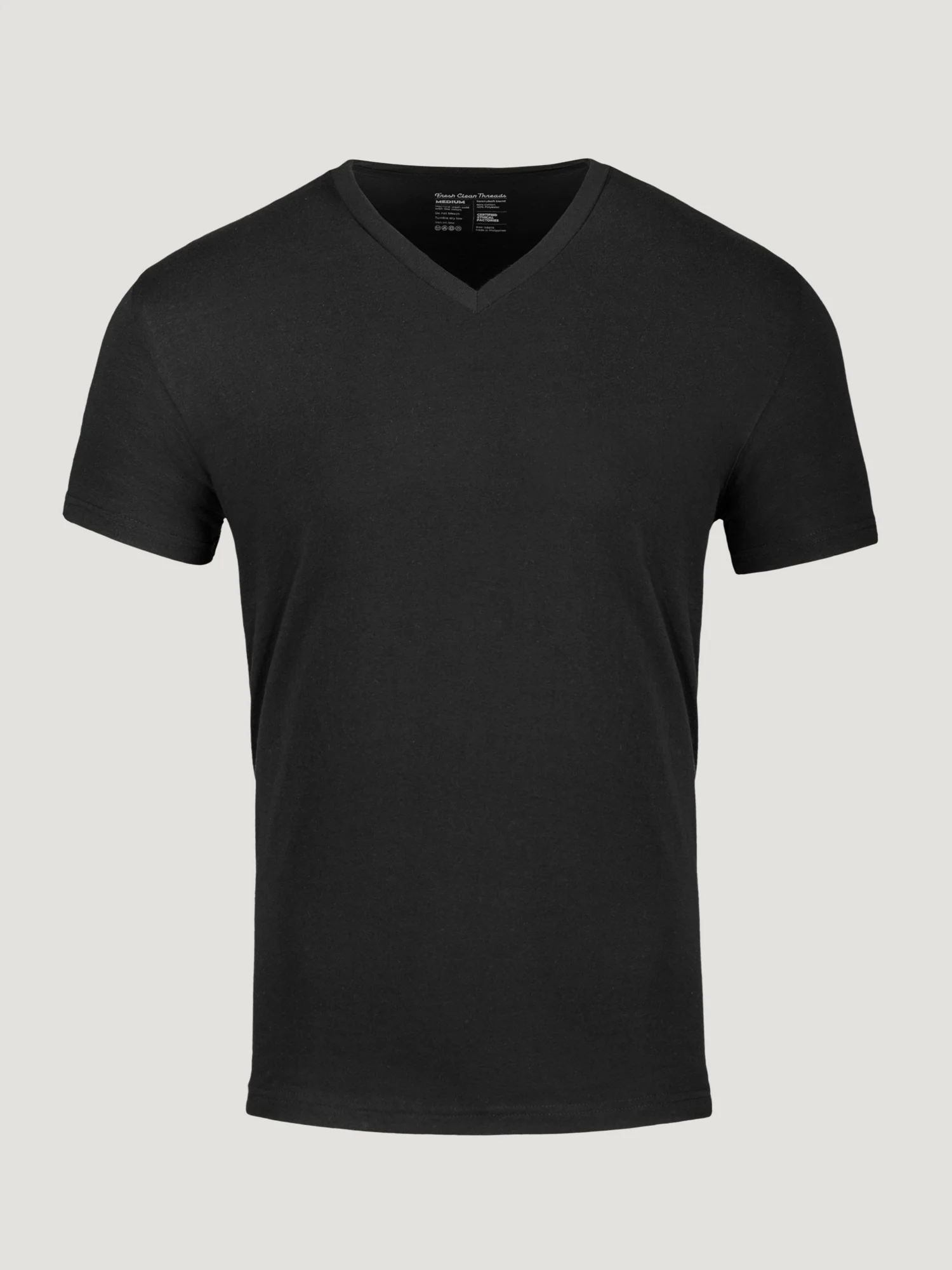
The term "v-neck" refers to a style of neckline that dips down in the front in a V-shape.
-
Button-up shirtbutton-up shirt
阿帕标音法: [b-ah1-t-ah0-n-ah1-p-sh-er1-t] 国际音标: /ˈbʌtɚn ʌp ʃɚt/ -
[b] /b/play_circle_filledTo create the b, air is briefly prevented from leaving the vocal tract by closing the lips. The sound is aspirated when the air is released.
-
[ah1] /ʌ/play_circle_filledTo create the 'other ah' sound ʌ the body of the tongue is relaxed and set low in the mouth. The sides of the tongue lightly touch the bottom teeth during the formation of the sound. The jaw is kept in a neutral position, and the lips are relaxed.
-
[t] /t/play_circle_filledTo create the t, air is briefly prevented from leaving the vocal tract when the tip of the tongue presses against the tooth ridge while the sides of the tongue press against the upper side teeth. The sound is aspirated when the air is released. The aspiration for a t is greater than the aspiration for a /d/, especially when it is the first sound of a word or the first sound of a stressed syllable.
-
[er] /ɚ/play_circle_filledTo create the ɚ sound first raise the back of the tongue so that the sides of the tongue touch the back teeth. The center of the back of the tongue is lower and the air travels through this groove to create the sound.
-
[n] /n/play_circle_filledTo create the 'n sound' n, the air is blocked from leaving the mouth by pressing the tip against the tooth ridge and the sides of the front of the tongue against the side teeth. The soft palate drops, allowing air to pass out through the nose. The sound is voiced, so the vocal cords vibrate while producing it.
-
[ah1] /ʌ/play_circle_filledTo create the 'other ah' sound ʌ the body of the tongue is relaxed and set low in the mouth. The sides of the tongue lightly touch the bottom teeth during the formation of the sound. The jaw is kept in a neutral position, and the lips are relaxed.
-
[p] /p/play_circle_filledTo create the p, air is briefly prevented from leaving the vocal tract by closing the lips. The sound is aspirated when the air is released.
-
[sh] /ʃ/play_circle_filledTo create the 'sh sound' ʃ, air is forced between a wide groove in the center of the front of the tongue and the back of the tooth ridge. The sides of the blade of the tongue may touch the side teeth. The lips are kept slightly tense, and may protrude somewhat during the production of the sound. This sound is a continuous consonant, meaning that it should be capable of being produced for a few seconds with even and smooth pronunciation for the entire duration.
-
[er] /ɚ/play_circle_filledTo create the ɚ sound first raise the back of the tongue so that the sides of the tongue touch the back teeth. The center of the back of the tongue is lower and the air travels through this groove to create the sound.
-
[t] /t/play_circle_filledTo create the t, air is briefly prevented from leaving the vocal tract when the tip of the tongue presses against the tooth ridge while the sides of the tongue press against the upper side teeth. The sound is aspirated when the air is released. The aspiration for a t is greater than the aspiration for a /d/, especially when it is the first sound of a word or the first sound of a stressed syllable.
-
-
Button-down shirtbutton-down shirt
阿帕标音法: [b-ah1-t-ah0-n-d-aw1-n-sh-er1-t] 国际音标: /ˈbʌtɚn daʊn ʃɚt/ -
[b] /b/play_circle_filledTo create the b, air is briefly prevented from leaving the vocal tract by closing the lips. The sound is aspirated when the air is released.
-
[ah1] /ʌ/play_circle_filledTo create the 'other ah' sound ʌ the body of the tongue is relaxed and set low in the mouth. The sides of the tongue lightly touch the bottom teeth during the formation of the sound. The jaw is kept in a neutral position, and the lips are relaxed.
-
[t] /t/play_circle_filledTo create the t, air is briefly prevented from leaving the vocal tract when the tip of the tongue presses against the tooth ridge while the sides of the tongue press against the upper side teeth. The sound is aspirated when the air is released. The aspiration for a t is greater than the aspiration for a /d/, especially when it is the first sound of a word or the first sound of a stressed syllable.
-
[er] /ɚ/play_circle_filledTo create the ɚ sound first raise the back of the tongue so that the sides of the tongue touch the back teeth. The center of the back of the tongue is lower and the air travels through this groove to create the sound.
-
[n] /n/play_circle_filledTo create the 'n sound' n, the air is blocked from leaving the mouth by pressing the tip against the tooth ridge and the sides of the front of the tongue against the side teeth. The soft palate drops, allowing air to pass out through the nose. The sound is voiced, so the vocal cords vibrate while producing it.
-
[d] /d/play_circle_filledTo create this sound air is briefly prevented from leaving the vocal tract when the tip of the tongue presses against the tooth ridge while the sides of the tongue press against the upper side teeth. The sound is aspirated when the air is released.
-
[aw] /aʊ/play_circle_filledStart with the jaw open and the body of the tongue in a low position in the mouth. The bottom teeth can be felt along the sides of the tongue. Then, as the jaw closes, the lips close into a small circle. The body of the tongue moves upward until the tongue is near the back of the hard palate.
-
[n] /n/play_circle_filledTo create the 'n sound' n, the air is blocked from leaving the mouth by pressing the tip against the tooth ridge and the sides of the front of the tongue against the side teeth. The soft palate drops, allowing air to pass out through the nose. The sound is voiced, so the vocal cords vibrate while producing it.
-
[sh] /ʃ/play_circle_filledTo create the 'sh sound' ʃ, air is forced between a wide groove in the center of the front of the tongue and the back of the tooth ridge. The sides of the blade of the tongue may touch the side teeth. The lips are kept slightly tense, and may protrude somewhat during the production of the sound. This sound is a continuous consonant, meaning that it should be capable of being produced for a few seconds with even and smooth pronunciation for the entire duration.
-
[er] /ɚ/play_circle_filledTo create the ɚ sound first raise the back of the tongue so that the sides of the tongue touch the back teeth. The center of the back of the tongue is lower and the air travels through this groove to create the sound.
-
[t] /t/play_circle_filledTo create the t, air is briefly prevented from leaving the vocal tract when the tip of the tongue presses against the tooth ridge while the sides of the tongue press against the upper side teeth. The sound is aspirated when the air is released. The aspiration for a t is greater than the aspiration for a /d/, especially when it is the first sound of a word or the first sound of a stressed syllable.
-
-
Crew neckcrew neck
阿帕标音法: [k-r-uw1-n-eh1-k] 国际音标: /ˈkruː nɛk/ -
[k] /k/play_circle_filledTo create the k, air is briefly prevented from leaving the vocal tract when the back of the tongue lifts and presses against the soft palate at the back of the mouth. The sound is aspirated when the air is released. The amount of aspiration used to produce a k is greater than that used for a g.
-
[r] /r/play_circle_filledTo create the r sound the back of the tongue is raised so the sides of the tongue touch the back teeth. The center of the back of the tongue is lower and the air travels through this groove to create the sound. The tip of the tongue may point upward, or may be left low.
-
[uw] /u/play_circle_filledTo create the 'oo sound' u, the lips are pulled into a tense, small circle. In addition, the back of the tongue is raised to a high position and sides of the tongue may touch the top teeth at the back of the mouth.
-
[n] /n/play_circle_filledTo create the 'n sound' n, the air is blocked from leaving the mouth by pressing the tip against the tooth ridge and the sides of the front of the tongue against the side teeth. The soft palate drops, allowing air to pass out through the nose. The sound is voiced, so the vocal cords vibrate while producing it.
-
[eh] /ɛ/play_circle_filledTo pronounce the ɛ sound the middle of the tongue rounds slightly upward and the sides of the tongue may lightly touch the top and bottom side teeth. The lips and jaw are loose and relaxed.
-
[k] /k/play_circle_filledTo create the k, air is briefly prevented from leaving the vocal tract when the back of the tongue lifts and presses against the soft palate at the back of the mouth. The sound is aspirated when the air is released. The amount of aspiration used to produce a k is greater than that used for a g.
-
-
V-neckv-neck
阿帕标音法: [v-iy1-n-eh0-k] 国际音标: /ˈviː.nɛk/ -
[v] /v/play_circle_filledTo create the 'v sound' v, the jaw is held nearly closed. The upper backside of the bottom lip is pressed very lightly into the bottom of the top teeth. Air is pushed out the mouth between the top teeth and the upper backside of the bottom lip. This sound is a continuous consonant, meaning that it should be capable of being produced for a few seconds with even and smooth pronunciation for the entire duration. The lips are kept mostly relaxed during the v. A common error ESL/ELL students make is overproducing this sound by curling the bottom lip under the top teeth. This creates problems when linking to and from the v.
-
[iy] /i/play_circle_filledTo pronounce the i sound the tongue is forward, with the body of the tongue near the tooth ridge. The tongue is higher in the mouth for this sound compared to all other vowels in English. Because the tongue is so high, the jaw is relatively closed during the i sound. The sides of the tongue touch the top, side teeth during the sound.
-
[n] /n/play_circle_filledTo create the 'n sound' n, the air is blocked from leaving the mouth by pressing the tip against the tooth ridge and the sides of the front of the tongue against the side teeth. The soft palate drops, allowing air to pass out through the nose. The sound is voiced, so the vocal cords vibrate while producing it.
-
[eh] /ɛ/play_circle_filledTo pronounce the ɛ sound the middle of the tongue rounds slightly upward and the sides of the tongue may lightly touch the top and bottom side teeth. The lips and jaw are loose and relaxed.
-
[k] /k/play_circle_filledTo create the k, air is briefly prevented from leaving the vocal tract when the back of the tongue lifts and presses against the soft palate at the back of the mouth. The sound is aspirated when the air is released. The amount of aspiration used to produce a k is greater than that used for a g.
-
-
Button-up shirt
-
Button-down shirt
-
Crew-neck t-shirt
-
V-neck t-shirt
-
Button-up shirt
-
Button-down shirt
-
Crew-neck t-shirt
-
V-neck t-shirt

-
Button-up shirt
-
Button-down shirt
-
Crew-neck t-shirt
-
V-neck t-shirt

-
Button-up shirt
-
Button-down shirt
-
Crew-neck t-shirt
-
V-neck t-shirt
"Button up" is a phrase we use when talking about fastening the buttons on a piece of clothing, usually a shirt, jacket, or coat. For example, if it's cold outside, someone might say, "It's freezing! Make sure to button up your coat." It can also be a command, like "Button up your shirt before the meeting!" This phrase is mostly used when someone is putting on or adjusting their clothes to look neat or stay warm.
-
Button upbutton up
阿帕标音法: [b-ah1-t-ah0-n--ah1-p] 国际音标: /ˈbʌtɚn ʌp/ -
[b] /b/play_circle_filledTo create the b, air is briefly prevented from leaving the vocal tract by closing the lips. The sound is aspirated when the air is released.
-
[ah1] /ʌ/play_circle_filledTo create the 'other ah' sound ʌ the body of the tongue is relaxed and set low in the mouth. The sides of the tongue lightly touch the bottom teeth during the formation of the sound. The jaw is kept in a neutral position, and the lips are relaxed.
-
[t] /t/play_circle_filledTo create the t, air is briefly prevented from leaving the vocal tract when the tip of the tongue presses against the tooth ridge while the sides of the tongue press against the upper side teeth. The sound is aspirated when the air is released. The aspiration for a t is greater than the aspiration for a /d/, especially when it is the first sound of a word or the first sound of a stressed syllable.
-
[er] /ɚ/play_circle_filledTo create the ɚ sound first raise the back of the tongue so that the sides of the tongue touch the back teeth. The center of the back of the tongue is lower and the air travels through this groove to create the sound.
-
[n] /n/play_circle_filledTo create the 'n sound' n, the air is blocked from leaving the mouth by pressing the tip against the tooth ridge and the sides of the front of the tongue against the side teeth. The soft palate drops, allowing air to pass out through the nose. The sound is voiced, so the vocal cords vibrate while producing it.
-
[ah1] /ʌ/play_circle_filledTo create the 'other ah' sound ʌ the body of the tongue is relaxed and set low in the mouth. The sides of the tongue lightly touch the bottom teeth during the formation of the sound. The jaw is kept in a neutral position, and the lips are relaxed.
-
[p] /p/play_circle_filledTo create the p, air is briefly prevented from leaving the vocal tract by closing the lips. The sound is aspirated when the air is released.
-
Tom: Hey, Emma! It's really windy outside. You should button up your coat before we go.
Emma: I know, but I lost a button last week, and now my coat won't close properly.
Tom: Oh no! Do you have a scarf? That might help keep you warm until you fix it.
Emma: Yeah, I have one in my bag. But I really need to sew that button back on soon.
Tom: Definitely! In the meantime, you can wear a sweater under your coat to stay warm.
Emma: Good idea! Let me just wrap my scarf around my neck, and we can go.
1. Why does the man tell Emma to button up her coat?
2. Why can't the woman button up her coat?
3. What does the man suggest to help the woman stay warm?
-
close
 艾宾豪斯的遗忘曲线
遗忘的过程最常用「遗忘曲线」来解释(又叫艾宾浩斯曲线,以 19 世纪 80 年代的德国心理学家赫尔曼·艾宾浩斯命名)。这条曲线描述了随着时间过去,我们对学过内容的记忆会逐渐减弱。
根据遗忘曲线研究显示,我们在学习后短短一天内就会忘记约 65% 的内容,一周后甚至可能高达 75%。这也是为什么学语言常常觉得学了又忘、进步缓慢。如果没有用对方法,努力可能很快就被大脑「清除」。
如何学得更快、记得更牢
为了帮助你突破学了就忘的困境,我们打造了 MyLingo Tutor - 一套聪明又高效的学习系统,专为加快语言学习与提升记忆力而生。它会针对你学过的每个单字建立专属的「学习曲线」,自动安排最佳的复习时机,让你在对的时间复习对的内容,有效防止遗忘,让学习变得更轻松、更有成效。
下图展示了 MyLingo Tutor 如何追踪你的学习曲线,并精准安排复习时机,有效强化长期记忆。
