I've been wearing this sweater all day, and now I'm starting to feel warm.
Great, sweaters are perfect for chilly weather!
Maybe you should take off the sweater if you're feeling too warm.
これが正しい応答です
Have you tried changing the thermostat?
-
search 英語の解説を見る arrow_drop_down
(B) is the best reply because it directly solves the speaker’s problem.
The speaker says the sweater is making them feel warm, so (B) suggests taking the sweater off.
(A) talks about sweaters being good for cold weather, but the speaker is too hot now, not cold.
(C) asks about the thermostat, which is less helpful, since the easiest fix is simply removing the sweater.
Therefore, (B) matches the situation most clearly.
search pull it up: Move something higher or raise it, such as sliding a zipper upward or scrolling a webpage to an earlier part.
search take it down: Remove something from a higher position or from display, like taking a picture off a wall or deleting an online post.
search put it off: Delay or postpone an action or event to a later time, e.g., "We’ll put off the meeting until tomorrow."
search take it off: Remove an item of clothing or an object that is being worn, e.g., "I’m hot, so I’ll take off my jacket."
これが正解です
記憶の低下 忘却曲線への対策について学ぶ
Sweaters, cardigans, jackets, blazers, hoodies, and sweatshirts are all common winter clothing tops:
-
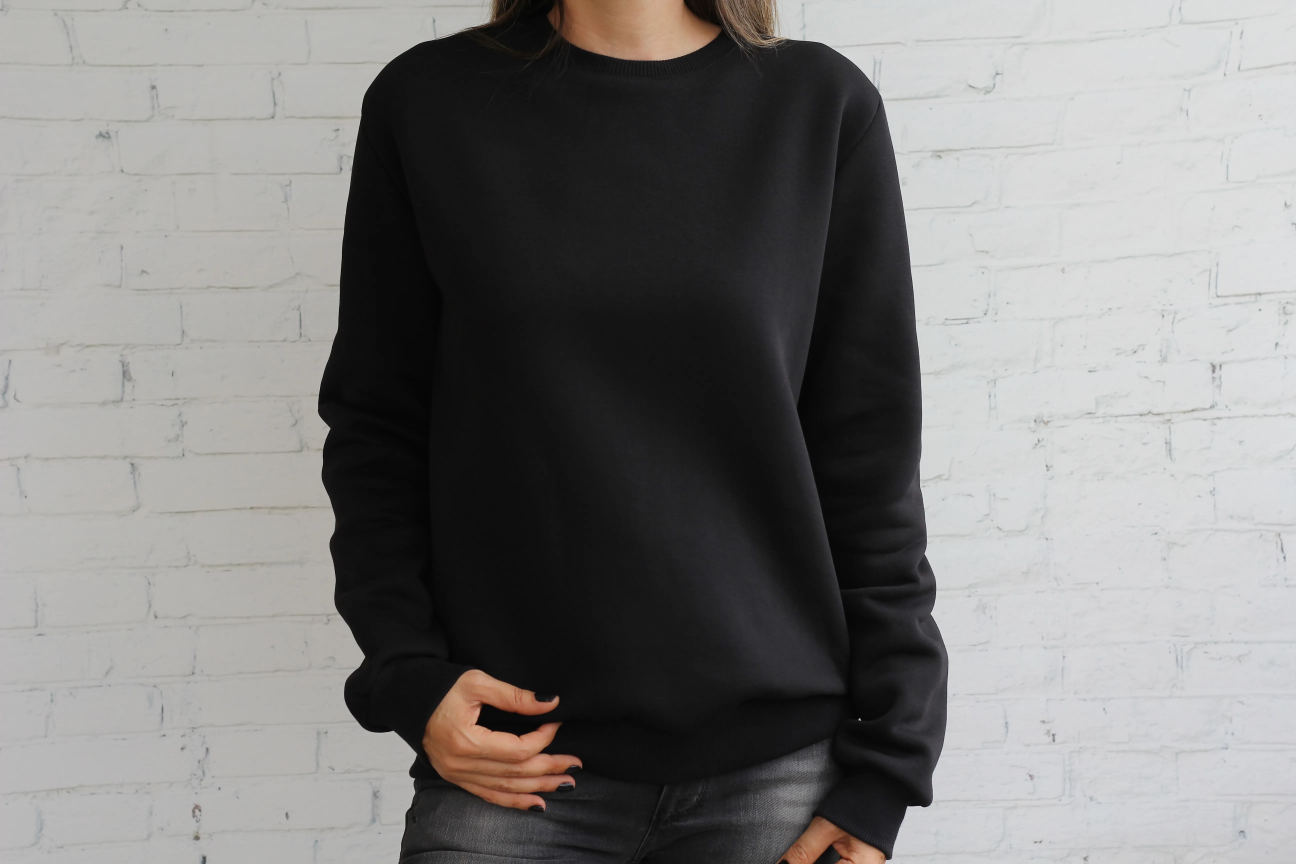
A sweater is a knitted, long-sleeved top made from wool or other warm materials, worn to keep the body warm in cold weather. It can be pulled over the head or have buttons.
-
A cardigan is a type of sweater that opens at the front and usually has buttons or a zipper. It’s easy to layer over shirts and is popular for both casual and semi-formal winter wear.
-
A jacket is a short coat worn over other clothing for warmth. It can be padded, waterproof, or lined with fleece and is suitable for outdoor winter use.
-
A blazer is a tailored, structured jacket that resembles a suit jacket but is usually worn more casually. Though not as warm as a coat, it can be layered in cooler weather.
-
A hoodie is a casual sweatshirt with a hood and often a front pocket. It’s made from soft, thick fabric and provides warmth and comfort, especially in relaxed or sporty settings.
-
A sweatshirt is a pullover made of thick cotton or fleece, often without a hood. It’s designed for comfort and warmth, commonly worn in casual winter outfits.
-
Sweatersweater
Arpabet: [s-w-eh1-t-er0] IPA: /ˈswɛtɚr/ -
[s] /s/play_circle_filledTo create the 's sound' s, the front of the tongue is placed close to the tooth ridge. The tip of the tongue should be close to the upper backside of the top front teeth. The tongue is kept tense as air is pushed between a small groove along the center of the tip of the tongue and the front of the tooth ridge. The front sides of the tongue touch the side teeth toward the front of the mouth. The lips are held slightly tense during the sound.
-
[w] /w/play_circle_filledTo create the 'w sound' w the jaw is mostly closed and the lips form a small, tight circle. The sound is voiced, so the vocal cords must vibrate during the production of the sound.
-
[eh] /ɛ/play_circle_filledTo pronounce the ɛ sound the middle of the tongue rounds slightly upward and the sides of the tongue may lightly touch the top and bottom side teeth. The lips and jaw are loose and relaxed.
-
[t] /t/play_circle_filledTo create the t, air is briefly prevented from leaving the vocal tract when the tip of the tongue presses against the tooth ridge while the sides of the tongue press against the upper side teeth. The sound is aspirated when the air is released. The aspiration for a t is greater than the aspiration for a /d/, especially when it is the first sound of a word or the first sound of a stressed syllable.
-
[er] /ɚ/play_circle_filledTo create the ɚ sound first raise the back of the tongue so that the sides of the tongue touch the back teeth. The center of the back of the tongue is lower and the air travels through this groove to create the sound.
-
[r] /r/play_circle_filledTo create the r sound the back of the tongue is raised so the sides of the tongue touch the back teeth. The center of the back of the tongue is lower and the air travels through this groove to create the sound. The tip of the tongue may point upward, or may be left low.
-
-
Cardigancardigan
Arpabet: [k-aa1-r-d-ih0-g-ah0-n] IPA: /ˈkɑːrdɪgɚn/ -
[k] /k/play_circle_filledTo create the k, air is briefly prevented from leaving the vocal tract when the back of the tongue lifts and presses against the soft palate at the back of the mouth. The sound is aspirated when the air is released. The amount of aspiration used to produce a k is greater than that used for a g.
-
[aa] /ɑ/play_circle_filledTo pronounce the 'aa sound' ɑ the vocal tract is very open for the production of the 'aa sound' ɑ. In fact, the jaw is held more open and the back of the tongue is held lower for this sound than any other American English vowel sound pronunciation. The tongue touches the inside of the bottom teeth so that the top of the tongue is nearly even with the top of the bottom teeth. The lips are held open and kept rounded, but relaxed.
-
[r] /r/play_circle_filledTo create the r sound the back of the tongue is raised so the sides of the tongue touch the back teeth. The center of the back of the tongue is lower and the air travels through this groove to create the sound. The tip of the tongue may point upward, or may be left low.
-
[d] /d/play_circle_filledTo create this sound air is briefly prevented from leaving the vocal tract when the tip of the tongue presses against the tooth ridge while the sides of the tongue press against the upper side teeth. The sound is aspirated when the air is released.
-
[ih] /ɪ/play_circle_filledTo pronounce the ɪ sound the lips are relaxed and the central/front area of the tongue is in the central/high area of the mouth for this sound. The overall neutrality and relaxed tongue and lip position is why it is one of the pronunciations used in an unstressed vowel position.
-
[g] /g/play_circle_filledTo create the g, air is briefly prevented from leaving the vocal tract when the back of the tongue lifts and presses against the soft palate at the back of the mouth. The sound is aspirated when the air is released. The amount of aspiration used to produce a g is less than that for a k.
-
[er] /ɚ/play_circle_filledTo create the ɚ sound first raise the back of the tongue so that the sides of the tongue touch the back teeth. The center of the back of the tongue is lower and the air travels through this groove to create the sound.
-
[n] /n/play_circle_filledTo create the 'n sound' n, the air is blocked from leaving the mouth by pressing the tip against the tooth ridge and the sides of the front of the tongue against the side teeth. The soft palate drops, allowing air to pass out through the nose. The sound is voiced, so the vocal cords vibrate while producing it.
-
-
Jacketjacket
Arpabet: [jh-ae1-k-ah0-t] IPA: /ˈdʒækɚt/ -
[d] /d/play_circle_filledTo create this sound air is briefly prevented from leaving the vocal tract when the tip of the tongue presses against the tooth ridge while the sides of the tongue press against the upper side teeth. The sound is aspirated when the air is released.
-
[zh] /ʒ/play_circle_filledTo create the 'zh sound' ʒ, air is forced between a wide groove in the center of the front of the tongue and the back of the tooth ridge. The sides of the blade of the tongue may touch the side teeth. The lips are kept slightly tense, and may protrude somewhat during the production of the sound. The ʒ is a continuous consonant, meaning that it should be capable of being held for a few seconds with even and smooth pronunciation for the entire duration.
-
[ae] /æ/play_circle_filledTo pronounce the ae sound the front of the tongue is pushed further forward and is held lower in the mouth when forming the 'short a' /æ/ sound than with any other vowel sound. The tip of the tongue will touch the inside of the bottom front teeth. The body of the tongue is rounded slightly upward. The jaw is lowered and the lips are held apart, allowing the entire oral cavity to remain open.
-
[k] /k/play_circle_filledTo create the k, air is briefly prevented from leaving the vocal tract when the back of the tongue lifts and presses against the soft palate at the back of the mouth. The sound is aspirated when the air is released. The amount of aspiration used to produce a k is greater than that used for a g.
-
[er] /ɚ/play_circle_filledTo create the ɚ sound first raise the back of the tongue so that the sides of the tongue touch the back teeth. The center of the back of the tongue is lower and the air travels through this groove to create the sound.
-
[t] /t/play_circle_filledTo create the t, air is briefly prevented from leaving the vocal tract when the tip of the tongue presses against the tooth ridge while the sides of the tongue press against the upper side teeth. The sound is aspirated when the air is released. The aspiration for a t is greater than the aspiration for a /d/, especially when it is the first sound of a word or the first sound of a stressed syllable.
-
-
Blazerblazer
Arpabet: [b-l-ey-z-er] IPA: /ˈbleɪzɚr/ -
[b] /b/play_circle_filledTo create the b, air is briefly prevented from leaving the vocal tract by closing the lips. The sound is aspirated when the air is released.
-
[l] /l/play_circle_filledTo create the l, the tip of the tongue is placed against the middle of the tooth ridge. The sound is created when air travels alongside the tip of the tongue, between the front of the tongue and the side teeth.
-
[ey] /eɪ/play_circle_filledTo pronounce the eɪ sound, begin with the tongue pushed somewhat forward but in a neutral position in the mouth. Then, as the jaw closes slightly, move the body of the tongue upward until it is near the tooth ridge--similar to the position of a 'y sound' y. The front sides of the tongue touch the inside of the top teeth at the end of the sound.
-
[z] /z/play_circle_filledTo create the 'z sound' z, the front of the tongue is placed close to the tooth ridge. The tip of the tongue should be close to the upper backside of the top front teeth. The tongue is kept tense as air is pushed between a small groove along the center of the tip of the tongue and the front of the tooth ridge. The front sides of the tongue touch the side teeth toward the front of the mouth. The lips are held slightly tense during the sound.
-
[er] /ɚ/play_circle_filledTo create the ɚ sound first raise the back of the tongue so that the sides of the tongue touch the back teeth. The center of the back of the tongue is lower and the air travels through this groove to create the sound.
-
[r] /r/play_circle_filledTo create the r sound the back of the tongue is raised so the sides of the tongue touch the back teeth. The center of the back of the tongue is lower and the air travels through this groove to create the sound. The tip of the tongue may point upward, or may be left low.
-
-
Hoodiehoodie
Arpabet: [hh-uh1-d-iy0] IPA: /ˈhʊdi/ -
[hh] /h/play_circle_filledTo create the 'h sound' h, the deep back of the tongue slightly constricts within the throat. The upper/front part of the tongue as well as the lips will often move into the shape of surrounding sounds at the same time as the h sound is being produced.
-
[uh] /ʊ/play_circle_filledTo create the 'other u' ʊ sound, the back of the tongue is raised to a mid-high position. The sides of the tongue may touch the top teeth toward the back of the mouth. The jaw is slightly closed and the lips are pulled into a loose circle.
-
[d] /d/play_circle_filledTo create this sound air is briefly prevented from leaving the vocal tract when the tip of the tongue presses against the tooth ridge while the sides of the tongue press against the upper side teeth. The sound is aspirated when the air is released.
-
[iy] /i/play_circle_filledTo pronounce the i sound the tongue is forward, with the body of the tongue near the tooth ridge. The tongue is higher in the mouth for this sound compared to all other vowels in English. Because the tongue is so high, the jaw is relatively closed during the i sound. The sides of the tongue touch the top, side teeth during the sound.
-
-
Sweatshirtsweatshirt
Arpabet: [s-w-eh1-t-sh-er0-t] IPA: /ˈswɛtʃɚt/ -
[s] /s/play_circle_filledTo create the 's sound' s, the front of the tongue is placed close to the tooth ridge. The tip of the tongue should be close to the upper backside of the top front teeth. The tongue is kept tense as air is pushed between a small groove along the center of the tip of the tongue and the front of the tooth ridge. The front sides of the tongue touch the side teeth toward the front of the mouth. The lips are held slightly tense during the sound.
-
[w] /w/play_circle_filledTo create the 'w sound' w the jaw is mostly closed and the lips form a small, tight circle. The sound is voiced, so the vocal cords must vibrate during the production of the sound.
-
[eh] /ɛ/play_circle_filledTo pronounce the ɛ sound the middle of the tongue rounds slightly upward and the sides of the tongue may lightly touch the top and bottom side teeth. The lips and jaw are loose and relaxed.
-
[ch] /tʃ/play_circle_filledTo create this sound air is briefly prevented from leaving the vocal tract when the tip of the tongue presses against the back tooth ridge while the sides of the tongue press against the upper side teeth. The sound is aspirated when the air is released with friction.
-
[er] /ɚ/play_circle_filledTo create the ɚ sound first raise the back of the tongue so that the sides of the tongue touch the back teeth. The center of the back of the tongue is lower and the air travels through this groove to create the sound.
-
[t] /t/play_circle_filledTo create the t, air is briefly prevented from leaving the vocal tract when the tip of the tongue presses against the tooth ridge while the sides of the tongue press against the upper side teeth. The sound is aspirated when the air is released. The aspiration for a t is greater than the aspiration for a /d/, especially when it is the first sound of a word or the first sound of a stressed syllable.
-
-
Sweater
-
Cardigan
-
Jacket
-
Blazer
-
Hoodie
-
Sweatshirt

-
Sweater
-
Cardigan
-
Jacket
-
Blazer
-
Hoodie
-
Sweatshirt

-
Sweater
-
Cardigan
-
Jacket
-
Blazer
-
Hoodie
-
Sweatshirt

-
Sweater
-
Cardigan
-
Jacket
-
Blazer
-
Hoodie
-
Sweatshirt

-
Sweater
-
Cardigan
-
Jacket
-
Blazer
-
Hoodie
-
Sweatshirt
-
Sweater
-
Cardigan
-
Jacket
-
Blazer
-
Hoodie
-
Sweatshirt

"Take off" is a phrasal verb with several meanings. The most common one refers to airplanes or rockets leaving the ground, as in "The plane took off at 7 AM." It can also mean to become successful quickly, like "Her business took off after she launched a new product."
Another meaning is to remove something, usually clothing, such as "He took off his jacket because it was too warm." Additionally, "take off" can mean to leave suddenly ("He took off without saying goodbye") or to take a break from work ("I'm taking off next Friday to travel.").
-
Take offtake off
Arpabet: [t-ey1-k-ao1-f] IPA: /teɪk ɔf/ -
[t] /t/play_circle_filledTo create the t, air is briefly prevented from leaving the vocal tract when the tip of the tongue presses against the tooth ridge while the sides of the tongue press against the upper side teeth. The sound is aspirated when the air is released. The aspiration for a t is greater than the aspiration for a /d/, especially when it is the first sound of a word or the first sound of a stressed syllable.
-
[ey] /eɪ/play_circle_filledTo pronounce the eɪ sound, begin with the tongue pushed somewhat forward but in a neutral position in the mouth. Then, as the jaw closes slightly, move the body of the tongue upward until it is near the tooth ridge--similar to the position of a 'y sound' y. The front sides of the tongue touch the inside of the top teeth at the end of the sound.
-
[k] /k/play_circle_filledTo create the k, air is briefly prevented from leaving the vocal tract when the back of the tongue lifts and presses against the soft palate at the back of the mouth. The sound is aspirated when the air is released. The amount of aspiration used to produce a k is greater than that used for a g.
-
[ao] /ɔ/play_circle_filledTo create the 'aw sound' ɔ the entire tongue is pushed back and kept low during the pronunciation of the 'aw sound' ɔ. The bottom side teeth can be felt alongside the front of the tongue during the sound. The back of the tongue has only a slight rounding upward at the very rear of the mouth. The lips are made into an oval shape, and may stick slightly outward.
-
[f] /f/play_circle_filledTo create the 'f sound' f, the jaw is held nearly closed. The upper backside of the bottom lip is pressed very lightly into the bottom of the top teeth. Air is pushed out the mouth between the top teeth and the upper backside of the bottom lip. This sound is to be a continuous consonant, meaning that it should be capable of being produced for a few seconds with even and smooth pronunciation for the entire duration. The lips are kept mostly relaxed during the production of the f. A common error English language learners make is overproducing this sound by curling the bottom lip under the top teeth. This creates problems when linking other sounds to and from the f.
-


-
close
 エビングハウスの忘却曲線の発見
忘却曲線の紹介
忘却曲線の紹介 2
より速く学び、より多く覚える方法
忘却曲線を克服する
MyLingo Tutor 記憶グラフの説明
