I'm running late for the meeting, and I can't find my tie!
我開會要遲到了,而且我找不到領帶!
No worries, I'll let them know you'll be a few minutes late.
別擔心,我會告訴他們你會晚幾分鐘。
這個回應是正確答案
I hope I chose the right tie for today's meeting.
我希望我為今天的會議選對了領帶。
After the meeting, let's grab lunch and discuss the tie-up with the new client.
會議結束後,我們一起去吃午餐,並討論與新客戶的合作事宜。
-
search 看英文解釋 arrow_drop_down
The speaker is worried because they are running late and cannot find a tie.
They need immediate help with the meeting.
(A) addresses this need by offering to inform the others that the speaker will be late.
(B) focuses on choosing a tie, which does not solve the urgent problem.
(C) changes the subject to lunch and a future plan, so it also does not help.
No information is given about (D), so it cannot be evaluated.
Therefore, (A) is the best response.
別擔心,把襯衫扣好,領帶就別打了,照樣看起來很專業。
search 「button up」這個片語最直觀的意思就是把衣服的扣子全部扣起來,常見例句像是 “Remember to button up, it's cold outside.”,提醒對方把外套扣好免得著涼。它有時也被拿來比喻把事情收尾或緊閉、保密,例如 “We need to button up the report before the deadline.”,意思是要在截止日前把報告收尾、完善。看到 button up,就可以聯想到把東西「扣緊」、「封好」或「整理完成」的概念。
這是正確答案
search 「button down」作為動詞時也可以表示把扣子扣上,不過更常見的用法是形容詞 “button-down shirt”,指的是正式且全部可扣到最上顆扣子的有領襯衫,給人端莊、保守的印象。例如 “He wore a white button-down to the interview.” 就是說他穿了一件白色正式襯衫去面試。動詞用法上,button down 也能表示「敲定」、「固定」—“Let's button down the budget before we present.” 意思是提案前先把預算細節確定好。總之,button down 讓人聯想到扣緊、敲定以及較傳統的穿著風格。
你對這個單字的記憶保留率會隨著時間流逝而下降。 了解如何對抗記憶遺忘曲線。
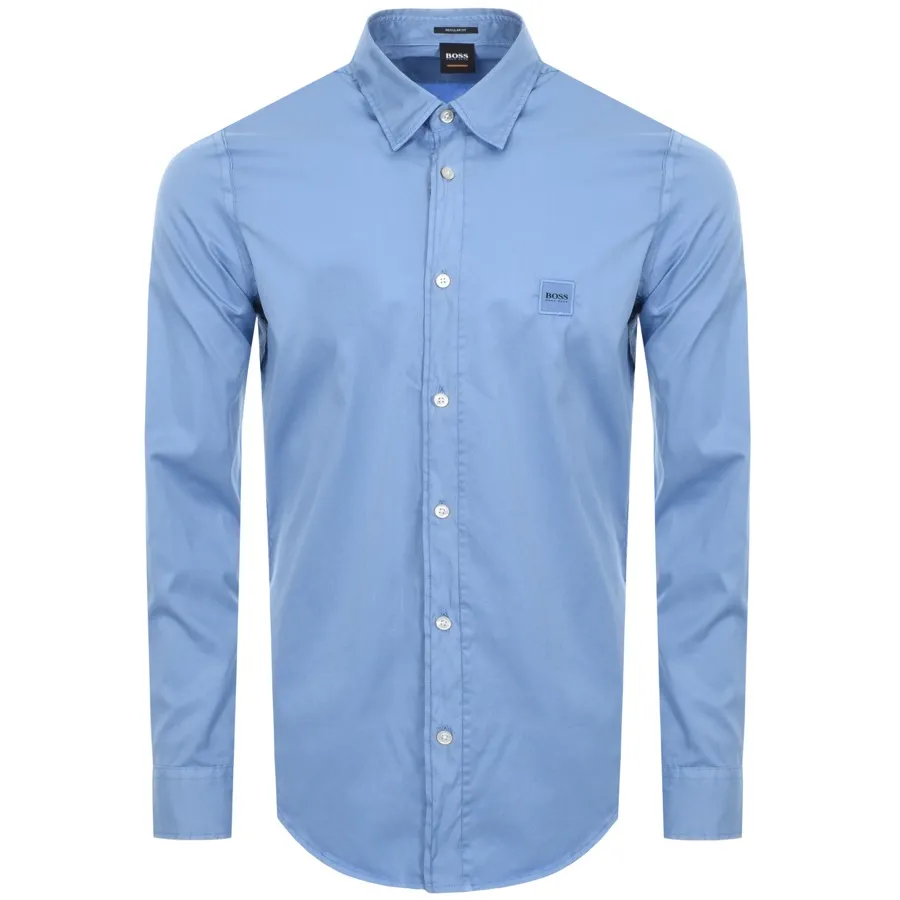
A button-up shirt is any shirt that buttons up the front, including dress shirts. It has buttons running down the front, from the collar to the hem. It is a versatile piece of clothing that can be worn for both formal occasions and casual outings.
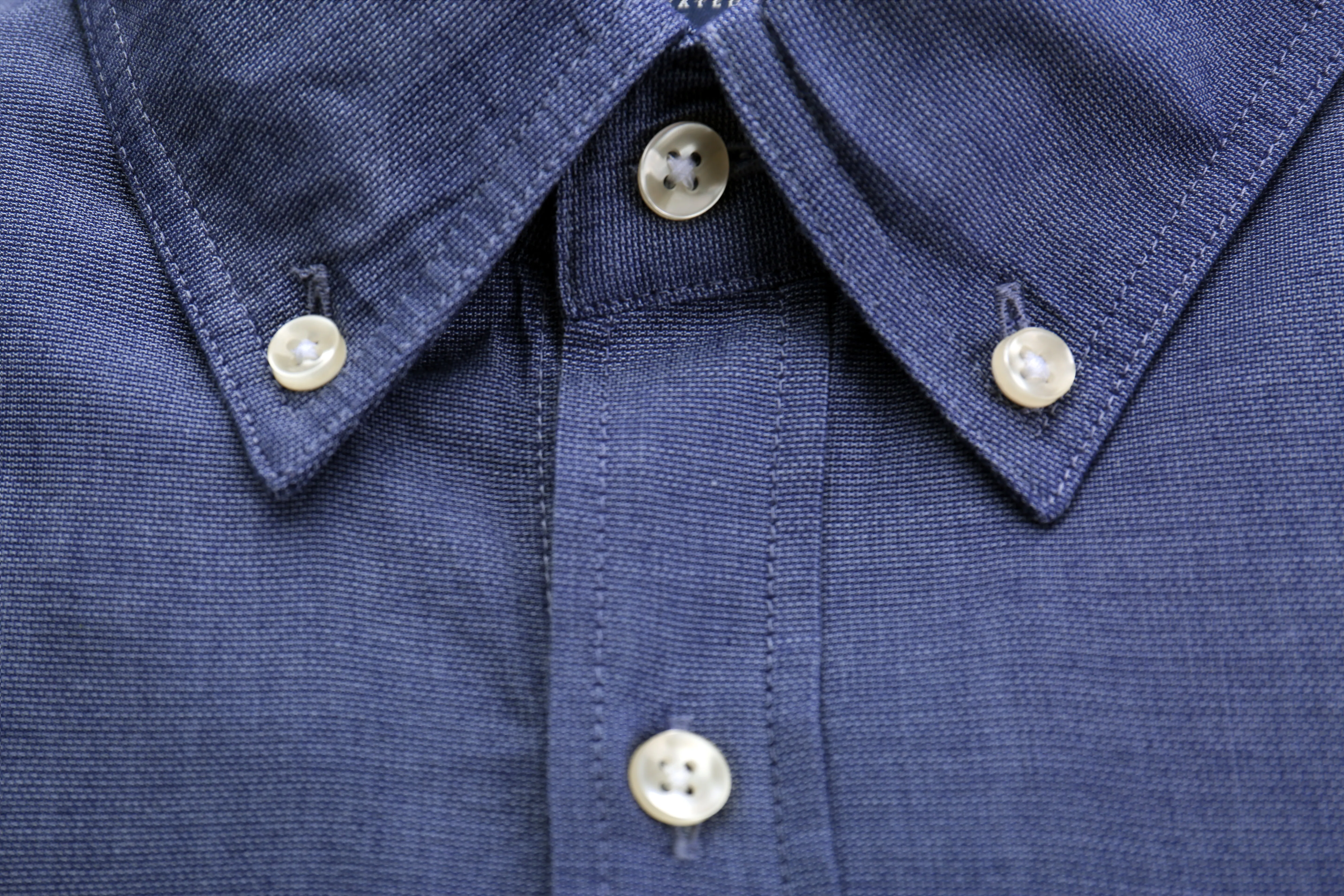
A button-down shirt specifically refers to a shirt where the collar has buttons that fasten it down to the shirt. It's a bit more casual and great for both professional and relaxed settings.
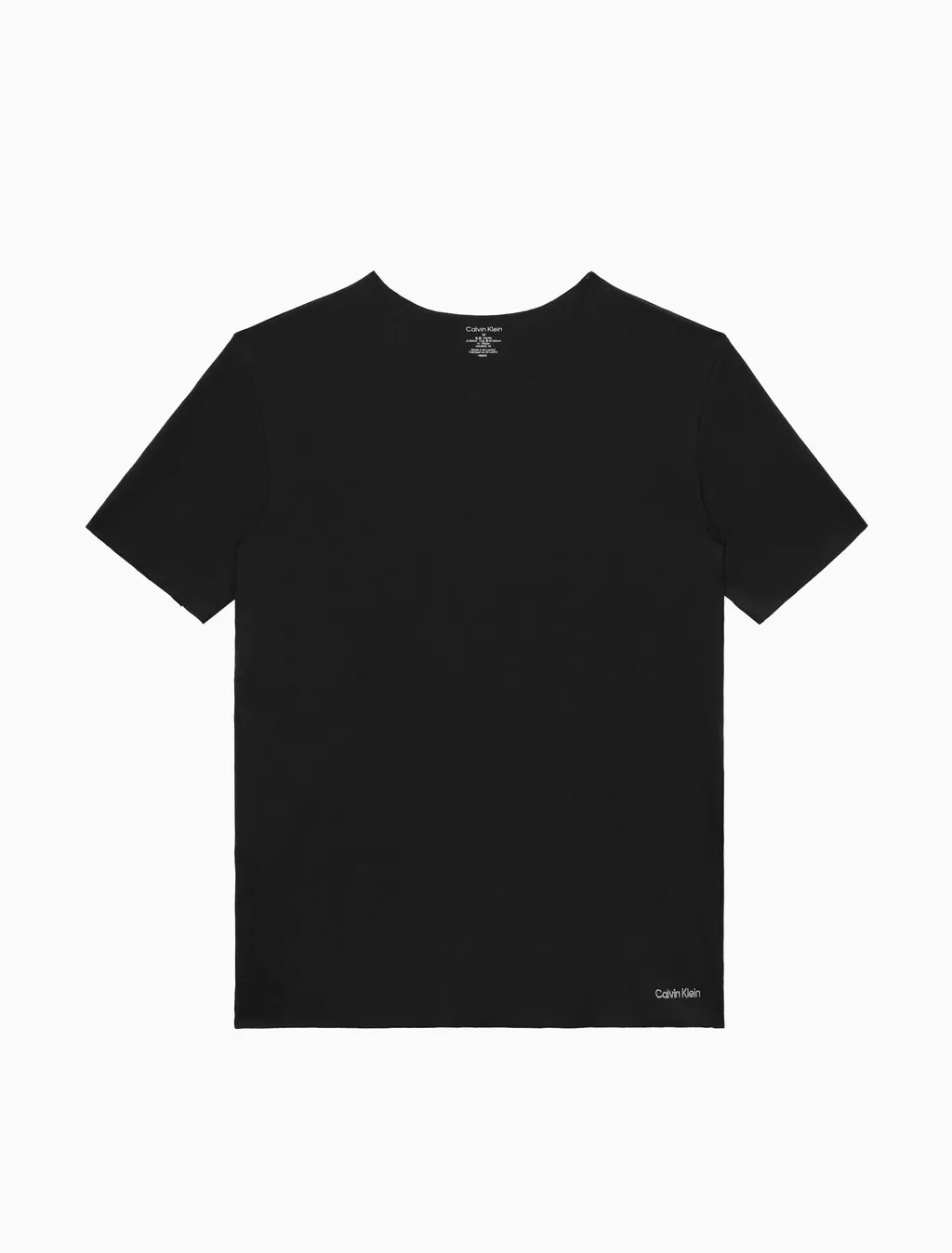
Crew-neck is a term used to describe the round neckline on garments such as T-shirts, sweaters, and other tops.
The term "v-neck" refers to a style of neckline that dips down in the front in a V-shape.
在挑選上衣時,了解不同的領口和鈕扣設計可以幫助你找到最適合自己的風格。以下這些單字常用來描述襯衫或T恤的款式,是日常穿搭中很實用的詞彙:
-
Button-up shirt(全扣式襯衫):前面有整排鈕扣,從領口一路扣到下擺,是正式或半正式場合常見的款式。
He wore a white button-up shirt to the interview. -
Button-down shirt(扣領襯衫):這是button-up的一種,特色是領子有小鈕扣固定,讓領子不會亂動,看起來更整齊。
His button-down shirt made him look a bit more formal. -
Crew neck(圓領):領口是圓形且貼近脖子的設計,常見於T恤或毛衣,是最基本的休閒款式。
I prefer crew neck T-shirts because they feel more casual. -
V-neck(V領):領口呈V字形,讓脖子看起來比較修長,也比較透氣,適合想穿得輕鬆又有點造型感的人。
She wore a black V-neck sweater with a necklace.
-
Button-up shirtbutton-up shirt
阿帕標音法: [b-ah1-t-ah0-n-ah1-p-sh-er1-t] 國際音標: /ˈbʌtɚn ʌp ʃɚt/ -
[b] /b/play_circle_filled要發出b音,需要閉合雙唇,短暫阻止空氣離開聲道;當空氣釋放時,聲音會帶有氣音。
-
[ah1] /ʌ/play_circle_filled為了發出「另一個 ah」音 /ʌ/,舌身應放鬆並降低至口腔較低的位置。
-
[t] /t/play_circle_filled要發出t音時,當舌尖抵住齒脊且舌側貼在上側牙時,氣流會暫時被阻隔在聲道內;氣流釋放後便產生送氣音。t的送氣量比/d/更大,尤其是在它是單字首音或重讀音節首音的情況下。
-
[er] /ɚ/play_circle_filled要發出ɚ這個音,首先將舌後部抬起,使舌邊觸碰到後牙。舌後部中央應稍微降低,氣流通過這條溝槽產生此音。
-
[n] /n/play_circle_filled為了發出 /n/ 音,須將舌尖頂住齒齦,並讓舌頭前部兩側貼緊側牙,阻擋空氣由口腔逸出。
-
[ah1] /ʌ/play_circle_filled為了發出「另一個 ah」音 /ʌ/,舌身應放鬆並降低至口腔較低的位置。
-
[p] /p/play_circle_filled為了發出p音,需要暫時閉合雙唇來阻止空氣離開聲道;當空氣釋放時,該音會形成送氣音。
-
[sh] /ʃ/play_circle_filled要產生「sh 音」ʃ,氣流被迫從舌尖前端中央的寬槽與齒脊後方之間通過,舌面兩側可能會接觸到側齒,雙唇保持微微緊繃,在發音過程中可能略為突出。這個音是一個持續性輔音,也就是說它應該能夠連續發出數秒,並在整個期間保持均勻而流暢的發音。
-
[er] /ɚ/play_circle_filled要發出ɚ這個音,首先將舌後部抬起,使舌邊觸碰到後牙。舌後部中央應稍微降低,氣流通過這條溝槽產生此音。
-
[t] /t/play_circle_filled要發出t音時,當舌尖抵住齒脊且舌側貼在上側牙時,氣流會暫時被阻隔在聲道內;氣流釋放後便產生送氣音。t的送氣量比/d/更大,尤其是在它是單字首音或重讀音節首音的情況下。
-
-
Button-down shirtbutton-down shirt
阿帕標音法: [b-ah1-t-ah0-n-d-aw1-n-sh-er1-t] 國際音標: /ˈbʌtɚn daʊn ʃɚt/ -
[b] /b/play_circle_filled要發出b音,需要閉合雙唇,短暫阻止空氣離開聲道;當空氣釋放時,聲音會帶有氣音。
-
[ah1] /ʌ/play_circle_filled為了發出「另一個 ah」音 /ʌ/,舌身應放鬆並降低至口腔較低的位置。
-
[t] /t/play_circle_filled要發出t音時,當舌尖抵住齒脊且舌側貼在上側牙時,氣流會暫時被阻隔在聲道內;氣流釋放後便產生送氣音。t的送氣量比/d/更大,尤其是在它是單字首音或重讀音節首音的情況下。
-
[er] /ɚ/play_circle_filled要發出ɚ這個音,首先將舌後部抬起,使舌邊觸碰到後牙。舌後部中央應稍微降低,氣流通過這條溝槽產生此音。
-
[n] /n/play_circle_filled為了發出 /n/ 音,須將舌尖頂住齒齦,並讓舌頭前部兩側貼緊側牙,阻擋空氣由口腔逸出。
-
[d] /d/play_circle_filled為了產生這個音,當舌尖壓在齒槽脊上、舌邊貼緊上側牙時,氣流會被短暫阻止離開聲道。當氣流釋出時,該音帶有送氣。
-
[aw] /aʊ/play_circle_filled首先,張開下巴,舌身保持在口腔的低位,並能在舌頭兩側感覺到下排牙齒。接著,當下巴閉合時,雙唇收攏成一個小圓形,舌身向上抬升,直到舌頭接近硬顎後部。
-
[n] /n/play_circle_filled為了發出 /n/ 音,須將舌尖頂住齒齦,並讓舌頭前部兩側貼緊側牙,阻擋空氣由口腔逸出。
-
[sh] /ʃ/play_circle_filled要產生「sh 音」ʃ,氣流被迫從舌尖前端中央的寬槽與齒脊後方之間通過,舌面兩側可能會接觸到側齒,雙唇保持微微緊繃,在發音過程中可能略為突出。這個音是一個持續性輔音,也就是說它應該能夠連續發出數秒,並在整個期間保持均勻而流暢的發音。
-
[er] /ɚ/play_circle_filled要發出ɚ這個音,首先將舌後部抬起,使舌邊觸碰到後牙。舌後部中央應稍微降低,氣流通過這條溝槽產生此音。
-
[t] /t/play_circle_filled要發出t音時,當舌尖抵住齒脊且舌側貼在上側牙時,氣流會暫時被阻隔在聲道內;氣流釋放後便產生送氣音。t的送氣量比/d/更大,尤其是在它是單字首音或重讀音節首音的情況下。
-
-
Crew neckcrew neck
阿帕標音法: [k-r-uw1-n-eh1-k] 國際音標: /ˈkruː nɛk/ -
[k] /k/play_circle_filled要發出 k 音時,當舌根抬起並壓向口腔後部的軟顎時,氣流會被短暫阻止離開聲道;當氣流釋放時,聲音帶有送氣;用來發出 k 音的送氣量比發出 g 音的送氣量更大。
-
[r] /r/play_circle_filled要發出 r 音時,舌頭的後部抬起,使舌邊接觸後排牙齒。舌頭後部中央較低,氣流沿著這條凹槽通過以產生此音。舌尖可以向上翹,或保持下垂。
-
[uw] /u/play_circle_filled要發出「oo 音」/u/,雙唇需緊縮成小而緊的圓形;此外,舌背必須抬高,舌緣還可能碰觸到口腔後部的上排牙齒。
-
[n] /n/play_circle_filled為了發出 /n/ 音,須將舌尖頂住齒齦,並讓舌頭前部兩側貼緊側牙,阻擋空氣由口腔逸出。
-
[eh] /ɛ/play_circle_filled要發出 ɛ 音時,舌頭中部會略微向上拱起,舌邊可能輕觸上下側齒;嘴唇和下顎保持鬆弛、放鬆。
-
[k] /k/play_circle_filled要發出 k 音時,當舌根抬起並壓向口腔後部的軟顎時,氣流會被短暫阻止離開聲道;當氣流釋放時,聲音帶有送氣;用來發出 k 音的送氣量比發出 g 音的送氣量更大。
-
-
V-neckv-neck
阿帕標音法: [v-iy1-n-eh0-k] 國際音標: /ˈviː.nɛk/ -
[v] /v/play_circle_filled要發出「v」這個聲音時,下巴幾乎保持閉合,下唇的內側輕輕貼住上排牙齒的底部,氣流在上牙與下唇內側之間推出口腔。這是一個持續性子音,也就是說它應該能夠持續發出數秒,期間發音均勻而流暢。發 v 音時嘴唇大多保持放鬆。許多 ESL/ELL 學生常見的錯誤是把下唇過度向內捲至上牙底下來發音,這會造成 v 音與其他音連讀時的困難。
-
[iy] /i/play_circle_filled要發出 i 音,舌頭應向前伸,舌身靠近齒脊;相較於英語中的其他所有母音,此音的舌位最高。由於舌位極高,發 i 音時下顎相對閉合。發音過程中,舌頭兩側會接觸到上排側面的牙齒。
-
[n] /n/play_circle_filled為了發出 /n/ 音,須將舌尖頂住齒齦,並讓舌頭前部兩側貼緊側牙,阻擋空氣由口腔逸出。
-
[eh] /ɛ/play_circle_filled要發出 ɛ 音時,舌頭中部會略微向上拱起,舌邊可能輕觸上下側齒;嘴唇和下顎保持鬆弛、放鬆。
-
[k] /k/play_circle_filled要發出 k 音時,當舌根抬起並壓向口腔後部的軟顎時,氣流會被短暫阻止離開聲道;當氣流釋放時,聲音帶有送氣;用來發出 k 音的送氣量比發出 g 音的送氣量更大。
-
-
Button-up shirt
-
Button-down shirt
-
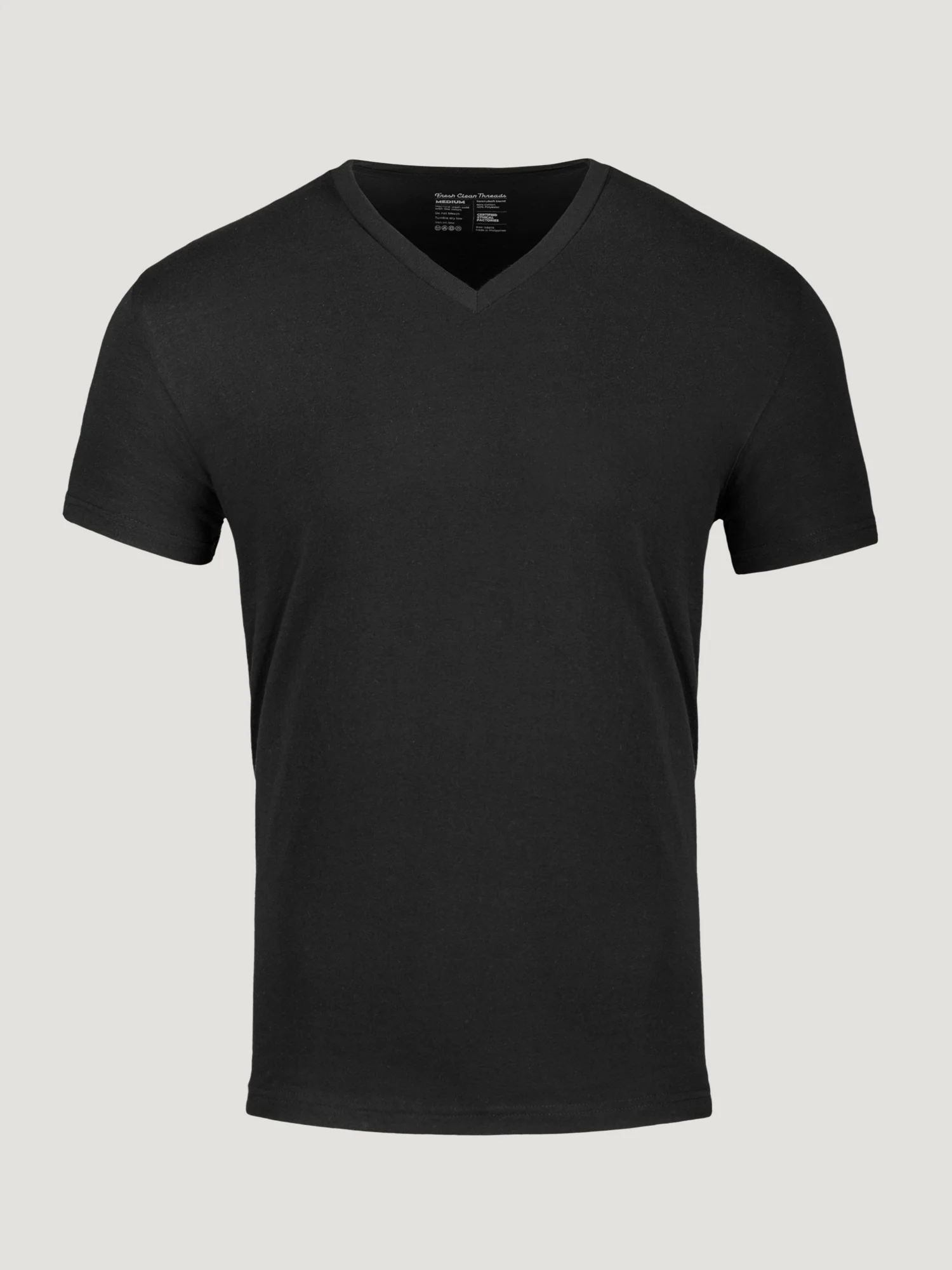
Crew-neck t-shirt
-
V-neck t-shirt
-
Button-up shirt
-
Button-down shirt
-
Crew-neck t-shirt
-
V-neck t-shirt
-
Button-up shirt
-
Button-down shirt
-
Crew-neck t-shirt
-
V-neck t-shirt
-
Button-up shirt
-
Button-down shirt
-
Crew-neck t-shirt
-
V-neck t-shirt
"Button up" is a phrase we use when talking about fastening the buttons on a piece of clothing, usually a shirt, jacket, or coat. For example, if it's cold outside, someone might say, "It's freezing! Make sure to button up your coat." It can also be a command, like "Button up your shirt before the meeting!" This phrase is mostly used when someone is putting on or adjusting their clothes to look neat or stay warm.
「button up」這個片語最基本的意思是把衣服的鈕扣全部扣好,常用在天氣變冷或要保持體面時提醒別人,例如:"It's getting cold, so button up before you go outside." 此外,它也可以引申為「把事情收尾、確定所有細節都完成」的概念,像是:"We should button up this report before the deadline." 在更口語的場合,有時也會被用來叫人閉嘴,不過這層用法比較少見。整體來說,看到或聽到「button up」,你可以先判斷是在談衣服還是事情的完成度,再決定正確的中文意思。
-
Button upbutton up
阿帕標音法: [b-ah1-t-ah0-n--ah1-p] 國際音標: /ˈbʌtɚn ʌp/ -
[b] /b/play_circle_filled要發出b音,需要閉合雙唇,短暫阻止空氣離開聲道;當空氣釋放時,聲音會帶有氣音。
-
[ah1] /ʌ/play_circle_filled為了發出「另一個 ah」音 /ʌ/,舌身應放鬆並降低至口腔較低的位置。
-
[t] /t/play_circle_filled要發出t音時,當舌尖抵住齒脊且舌側貼在上側牙時,氣流會暫時被阻隔在聲道內;氣流釋放後便產生送氣音。t的送氣量比/d/更大,尤其是在它是單字首音或重讀音節首音的情況下。
-
[er] /ɚ/play_circle_filled要發出ɚ這個音,首先將舌後部抬起,使舌邊觸碰到後牙。舌後部中央應稍微降低,氣流通過這條溝槽產生此音。
-
[n] /n/play_circle_filled為了發出 /n/ 音,須將舌尖頂住齒齦,並讓舌頭前部兩側貼緊側牙,阻擋空氣由口腔逸出。
-
[ah1] /ʌ/play_circle_filled為了發出「另一個 ah」音 /ʌ/,舌身應放鬆並降低至口腔較低的位置。
-
[p] /p/play_circle_filled為了發出p音,需要暫時閉合雙唇來阻止空氣離開聲道;當空氣釋放時,該音會形成送氣音。
-
g_translate 查看翻譯
聽力稿
Tom: Hey, Emma! It's really windy outside. You should button up your coat before we go.
Emma: I know, but I lost a button last week, and now my coat won't close properly.
Tom: Oh no! Do you have a scarf? That might help keep you warm until you fix it.
Emma: Yeah, I have one in my bag. But I really need to sew that button back on soon.
Tom: Definitely! In the meantime, you can wear a sweater under your coat to stay warm.
Emma: Good idea! Let me just wrap my scarf around my neck, and we can go.
翻譯
Tom: 嘿,Emma!外面風很大。我們出門前你應該把外套扣好。
Emma: 我知道,但我上週掉了一顆釦子,現在外套無法好好扣上。
Tom: 糟糕!你有圍巾嗎?在修好之前,它也許能幫你保暖。
Emma: 有,我包包裡有一條。但我真的需要盡快把那顆釦子縫回去。
Tom: 當然!在這段時間,你可以在外套裡穿一件毛衣來保暖。
Emma: 好主意!讓我把圍巾圍在脖子上,我們就可以走了。
Tom: Hey, Emma! It's really windy outside. You should button up your coat before we go.
Emma: I know, but I lost a button last week, and now my coat won't close properly.
Tom: Oh no! Do you have a scarf? That might help keep you warm until you fix it.
Emma: Yeah, I have one in my bag. But I really need to sew that button back on soon.
Tom: Definitely! In the meantime, you can wear a sweater under your coat to stay warm.
Emma: Good idea! Let me just wrap my scarf around my neck, and we can go.
1. Why does the man tell Emma to button up her coat?
2. Why can't the woman button up her coat?
3. What does the man suggest to help the woman stay warm?
-
close
 艾賓豪斯的遺忘曲線
遺忘的過程最常用「遺忘曲線」來解釋(又叫艾賓浩斯曲線,以 19 世紀 80 年代的德國心理學家赫爾曼·艾賓浩斯命名)。這條曲線描述了隨著時間過去,我們對學過內容的記憶會逐漸減弱。
根據遺忘曲線研究顯示,我們在學習後短短一天內就會忘記約 65% 的內容,一週後甚至可能高達 75%。這也是為什麼學語言常常覺得學了又忘、進步緩慢。如果沒有用對方法,努力可能很快就被大腦「清除」。
如何學得更快、記得更牢
為了幫助你突破學了就忘的困境,我們打造了 MyLingo Tutor - 一套聰明又高效的學習系統,專為加快語言學習與提升記憶力而生。它會針對你學過的每個單字建立專屬的「學習曲線」,自動安排最佳的複習時機,讓你在對的時間複習對的內容,有效防止遺忘,讓學習變得更輕鬆、更有成效。
下圖展示了 MyLingo Tutor 如何追蹤你的學習曲線,並精準安排複習時機,有效強化長期記憶。
我開會要遲到了,而且我找不到領帶!
別擔心,把襯衫扣好,領帶就別打了,照樣看起來很專業。
