I always have trouble organizing my underwear drawer; everything gets mixed up so easily.
我總是很難整理我的內衣抽屜,東西很容易就混在一起。
I need to buy some new underwear; the old ones are starting to wear out.
我需要買幾件新的內褲;舊的已經開始磨損了。
Can you remind me to put the underwear in the dryer when you get a chance?
有空的時候可以提醒我把內褲放進烘衣機嗎?
Have you tried using drawer organizers? They can really help keep everything in place.
你有試過使用抽屜收納隔板嗎?它們真的能幫助把所有東西保持井然有序。
這個回應是正確答案
-
search 看英文解釋 arrow_drop_down
The first person’s problem is that their underwear drawer is always messy. They want a way to keep it organized.
(A) talks about buying new underwear; it does not solve the organizing problem.
(B) talks about drying underwear; that is also not about keeping the drawer neat.
(C) suggests using drawer organizers, which is exactly a solution to keeping things in order, so it answers the problem directly.
Therefore, (C) is the best and most relevant reply.
我懂你的意思!我的也總是糾結在一起,尤其是那些蕾絲款,更難保持整齊。
search 「tangle up」是一個很生活化的動詞片語,核心概念是「纏在一起」或「弄得亂七八糟」,可用來描述實體線材打結,也可形容事情變得複雜。例如:"My earphones always tangle up in my bag."(我的耳機總是在包包裡打結)或 "The strings got tangled up, so I had to untie them." 使用時可以主動態 "tangle up something",也常見被動語態 "be/get tangled up in",像 "The kite got tangled up in the tree." 就很口語又自然。
這是正確答案
search 「pick up」的用法非常多,最基本的是「撿起」或「拿起」,如:"Could you pick up that pen for me?" 但它也可以延伸為「用車接某人」:"I'll pick you up at the station."、「學會、獲得」:"He picked up Spanish while living in Mexico.",甚至可指「恢復、好轉」:"Sales are starting to pick up this month." 因為意義廣泛,判斷時要看上下文;不過無論是哪一種意思,都帶有「由下而上得到或取得」的隱喻,記起來就不難。
search 「take up」通常表示「開始從事、培養興趣」:"I decided to take up painting during the summer.",也可指「佔據(時間/空間)」:"This sofa takes up too much room.",或者「接受(提議、挑戰)」:"She decided to take up the offer." 用法上 "take up + 名詞" 就能表達;如果要說「開始從事某事」再接動名詞:"take up jogging"。掌握這幾個核心義即可靈活應用。
search 「break up」最常見的是「分手、結束關係」:"They decided to break up after five years of dating.",但它也能表示「分裂、瓦解」:"The ice will break up when the weather warms.",或「把聚集的人群驅散」:"The police broke up the fight." 還有在口語通訊裡形容訊號斷斷續續:"Sorry, you're breaking up. Can you repeat that?" 留意「break up with + 人」才是明確說誰和誰分手,使用上別忘了介系詞 with。
Let's learn some common types of sleepwear or loungewear worn for comfort, especially at night or around the house.
-
Pajamas (or pyjamas) are a set of loose-fitting clothes, usually consisting of a top and pants, worn for sleeping. They can be made of cotton, flannel, or silk and come in various styles for men, women, and children.
-
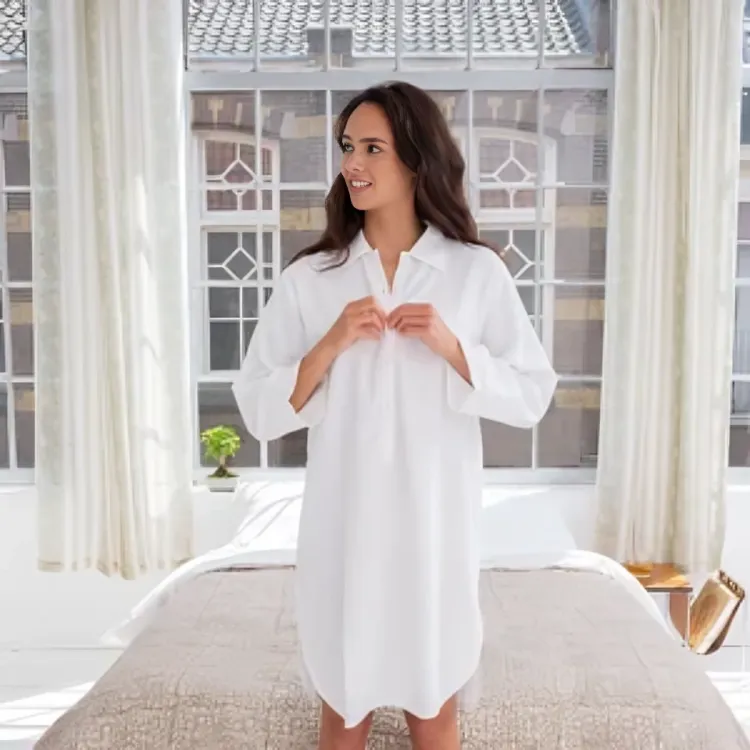
A nightgown is a loose, usually knee- or ankle-length dress worn by women or girls for sleeping. It’s often made from soft, breathable materials like cotton or satin.
-
A sleep shirt is a long, oversized shirt worn as nightwear. It resembles a T-shirt or button-down shirt and is designed to be comfortable and simple.
-
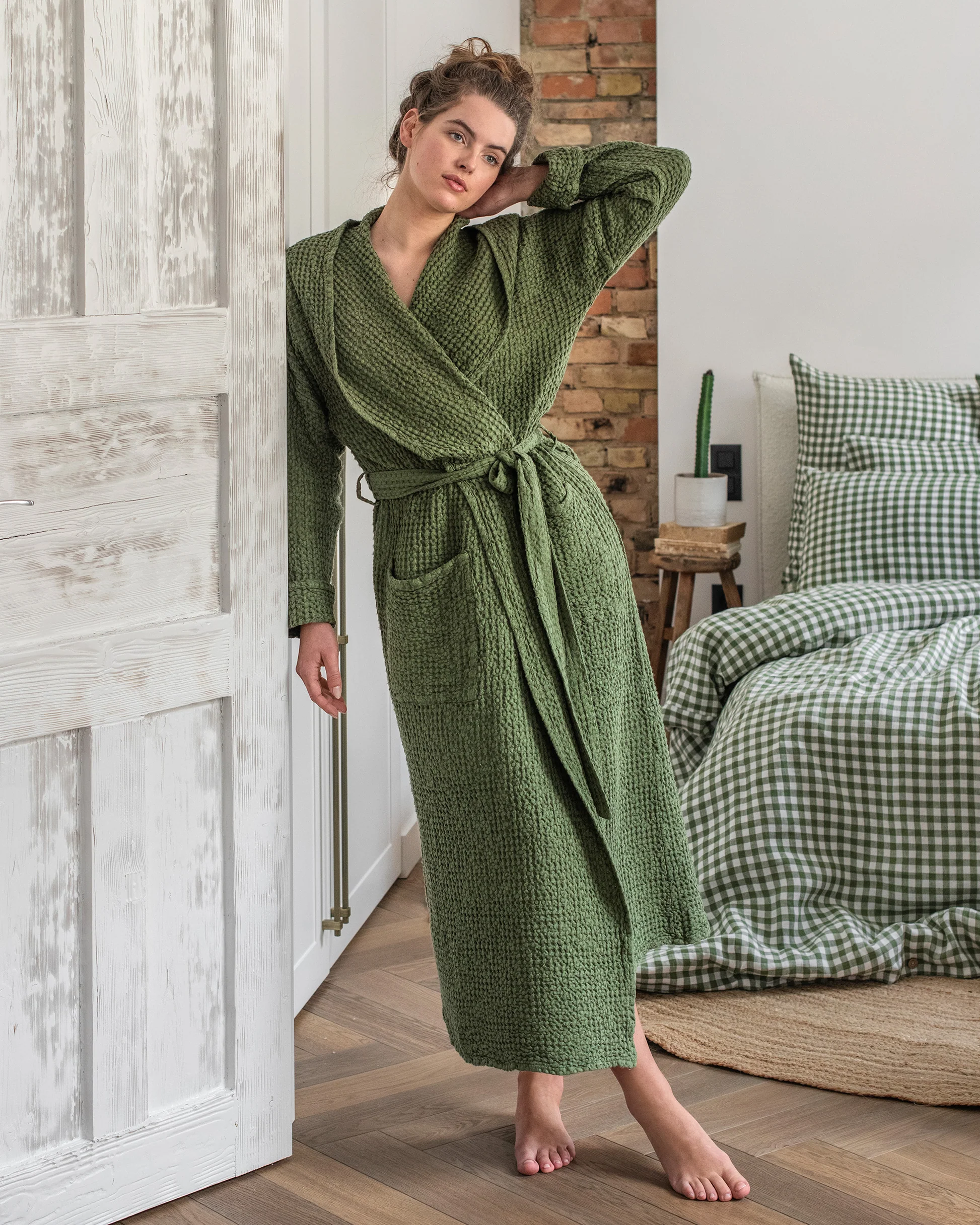
A robe is a loose outer garment worn over sleepwear, often after waking up or before going to bed. It ties at the waist and provides warmth and modesty, especially when moving around the house.
睡覺時穿的衣服有很多種,不同的款式有不同的名稱。了解這些單字可以幫助你更清楚地描述你在家或睡前穿的衣物。以下是幾個常見的睡衣類型:
-
Pajama(睡衣):最常見的睡衣,通常是上下兩件式的套裝,有時是棉質或絲質的。
I changed into my pajamas and went straight to bed. -
Nightgown(睡袍式長睡衣):通常是女生穿的長版睡衣,像洋裝一樣,有時帶有蕾絲或柔軟材質。
She wore a soft pink nightgown to sleep. -
Sleep shirt(睡衣上衣):一件長版上衣,可以單穿當睡衣,不一定有褲子搭配。
He just wears a big sleep shirt at night — simple and comfy. -
Robe(浴袍/睡袍):通常在洗完澡後或早上起床時穿的寬鬆長袍,綁有腰帶。
She put on a robe after her shower and made some tea.
-
Pajamapajama
阿帕標音法: [p-ah0-jh-ae1-m-ah0] 國際音標: /pɚˈdʒæmɚ/ -
[p] /p/play_circle_filled為了發出p音,需要暫時閉合雙唇來阻止空氣離開聲道;當空氣釋放時,該音會形成送氣音。
-
[er] /ɚ/play_circle_filled要發出ɚ這個音,首先將舌後部抬起,使舌邊觸碰到後牙。舌後部中央應稍微降低,氣流通過這條溝槽產生此音。
-
[d] /d/play_circle_filled為了產生這個音,當舌尖壓在齒槽脊上、舌邊貼緊上側牙時,氣流會被短暫阻止離開聲道。當氣流釋出時,該音帶有送氣。
-
[zh] /ʒ/play_circle_filled要發出「zh 音」ʒ,氣流會被迫穿過舌尖前部中央的寬溝與齒脊後部之間。舌葉的兩側可以接觸到側面的牙齒。嘴唇保持微微緊張,在發音時可能略微突出。ʒ 是一個連續輔音,這表示它應該能夠持續幾秒鐘,並在整個過程中保持均勻順暢的發音。
-
[ae] /æ/play_circle_filled要發出 ae 音,在形成「短 a」/æ/ 音時,舌頭前端需比發其他任何母音時更向前推,且位置更低。
-
[m] /m/play_circle_filled要發出「m」音,雙唇必須緊閉,阻止空氣從口腔逸出;軟顎下垂,使空氣能經由鼻腔排出。此音為濁音,因此發音時聲帶會振動。
-
[er] /ɚ/play_circle_filled要發出ɚ這個音,首先將舌後部抬起,使舌邊觸碰到後牙。舌後部中央應稍微降低,氣流通過這條溝槽產生此音。
-
-
Nightgownnightgown
阿帕標音法: [n-ay1-t-g-aw2-n] 國際音標: /ˈnaɪtˌgaʊn/ -
[n] /n/play_circle_filled為了發出 /n/ 音,須將舌尖頂住齒齦,並讓舌頭前部兩側貼緊側牙,阻擋空氣由口腔逸出。
-
[ay] /aɪ/play_circle_filled要發出 aɪ 這個音的開頭時,舌頭要放低並接觸下排側牙;接著當下巴稍微收合時,舌面上抬至接近齒脊,位置類似發 y 音,舌頭前側貼住上排側牙的內側。
-
[t] /t/play_circle_filled要發出t音時,當舌尖抵住齒脊且舌側貼在上側牙時,氣流會暫時被阻隔在聲道內;氣流釋放後便產生送氣音。t的送氣量比/d/更大,尤其是在它是單字首音或重讀音節首音的情況下。
-
[g] /g/play_circle_filled為了發出g音,當舌後部抬起並抵住口腔後方的軟顎時,空氣會被短暫阻止離開聲道;當空氣釋放時,該聲音便帶有送氣。發出g音所使用的送氣量少於k音。
-
[aw] /aʊ/play_circle_filled首先,張開下巴,舌身保持在口腔的低位,並能在舌頭兩側感覺到下排牙齒。接著,當下巴閉合時,雙唇收攏成一個小圓形,舌身向上抬升,直到舌頭接近硬顎後部。
-
[n] /n/play_circle_filled為了發出 /n/ 音,須將舌尖頂住齒齦,並讓舌頭前部兩側貼緊側牙,阻擋空氣由口腔逸出。
-
-
Sleep shirtsleep shirt
阿帕標音法: [s-l-iy1-p-sh-er1-t] 國際音標: /sliːp ʃɚt/ -
[s] /s/play_circle_filled要發出「s 音」 時,舌頭的前端應靠近齒齦脊,舌尖應靠近上排門牙後方的背面。發音時舌頭要保持緊張,讓氣流從舌尖中央的一條小溝槽與齒齦脊之間通過。舌頭的前側應貼住嘴巴前方的側齒,嘴唇則略微繃緊。
-
[l] /l/play_circle_filled要發出 l 音,舌尖置於齒槽嵴的中部;當氣流沿著舌尖、在舌前部與側齒之間通過時,便會產生此音。
-
[iy] /i/play_circle_filled要發出 i 音,舌頭應向前伸,舌身靠近齒脊;相較於英語中的其他所有母音,此音的舌位最高。由於舌位極高,發 i 音時下顎相對閉合。發音過程中,舌頭兩側會接觸到上排側面的牙齒。
-
[p] /p/play_circle_filled為了發出p音,需要暫時閉合雙唇來阻止空氣離開聲道;當空氣釋放時,該音會形成送氣音。
-
[sh] /ʃ/play_circle_filled要產生「sh 音」ʃ,氣流被迫從舌尖前端中央的寬槽與齒脊後方之間通過,舌面兩側可能會接觸到側齒,雙唇保持微微緊繃,在發音過程中可能略為突出。這個音是一個持續性輔音,也就是說它應該能夠連續發出數秒,並在整個期間保持均勻而流暢的發音。
-
[er] /ɚ/play_circle_filled要發出ɚ這個音,首先將舌後部抬起,使舌邊觸碰到後牙。舌後部中央應稍微降低,氣流通過這條溝槽產生此音。
-
[t] /t/play_circle_filled要發出t音時,當舌尖抵住齒脊且舌側貼在上側牙時,氣流會暫時被阻隔在聲道內;氣流釋放後便產生送氣音。t的送氣量比/d/更大,尤其是在它是單字首音或重讀音節首音的情況下。
-
-
Roberobe
阿帕標音法: [r-ow1-b] 國際音標: /roʊb/ -
[r] /r/play_circle_filled要發出 r 音時,舌頭的後部抬起,使舌邊接觸後排牙齒。舌頭後部中央較低,氣流沿著這條凹槽通過以產生此音。舌尖可以向上翹,或保持下垂。
-
[ow] /oʊ/play_circle_filled要發出「ow 音」oʊ,舌身需向後推並保持在較低至中低的口腔位置,並能在舌頭兩側感受到下排牙齒;接著稍微抬高下顎,將雙唇收成小圓形,使其過渡到「w 音」w,同時舌身向上抬升,直到舌頭接近硬顎後部。
-
[b] /b/play_circle_filled要發出b音,需要閉合雙唇,短暫阻止空氣離開聲道;當空氣釋放時,聲音會帶有氣音。
-
-
Pajama
-
Nightgown
-
Sleep shirt
-
Robe
-
Pajama
-
Nightgown
-
Sleep shirt
-
Robe
-
Pajama
-
Nightgown
-
Sleep shirt
-
Robe

-
Pajama
-
Nightgown
-
Sleep shirt
-
Robe

If you're in a hurry, trying to put on your sweater, but somehow, your arm gets tangled up in the sleeve, and you can't find the right hole for your head. That's exactly how we use “tangle up” when talking about clothes—it means they're twisted or caught in a messy way. You can also say, "My earphones got tangled up in my jacket zipper," or "The bedsheets were all tangled up after I tossed and turned last night." It's a great way to describe when fabric or strings get twisted and hard to fix!
“tangle up” 是一個常見的動詞片語,意思是「纏在一起、糾結起來」或「陷入某種複雜情況」。想像耳機線亂成一團,就可以說 The earphone cables always tangle up in my pocket.;如果是比喻性用法,也可以說 I don’t want to get tangled up in office politics.,表示「我不想捲入辦公室的政治角力」。結構上是動詞 tangle 加上副詞 up,常用被動語態(be/get tangled up)來描述東西已經糾結好了;up 則加強「完全、徹底」的感覺。日常生活中不只線材,頭髮、繩子甚至人際關係都能用這個片語,所以只要遇到「纏成一團」的場景,就可以自然而然地想到 tangle up。
-
Tangle uptangle up
阿帕標音法: [t-ae1-ng-g-ah0-l-ah1-p] 國際音標: /ˈtæŋgɚl ʌp/ -
[t] /t/play_circle_filled要發出t音時,當舌尖抵住齒脊且舌側貼在上側牙時,氣流會暫時被阻隔在聲道內;氣流釋放後便產生送氣音。t的送氣量比/d/更大,尤其是在它是單字首音或重讀音節首音的情況下。
-
[ae] /æ/play_circle_filled要發出 ae 音,在形成「短 a」/æ/ 音時,舌頭前端需比發其他任何母音時更向前推,且位置更低。
-
[ng] /ŋ/play_circle_filled要發出「ng」音 /ŋ/ 時,舌根抬起並抵住口腔後部的軟顎,使氣流無法從口腔逸出。軟顎下垂,讓氣流從鼻腔排出。此音為有聲音,因此在發音時聲帶會震動。
-
[g] /g/play_circle_filled為了發出g音,當舌後部抬起並抵住口腔後方的軟顎時,空氣會被短暫阻止離開聲道;當空氣釋放時,該聲音便帶有送氣。發出g音所使用的送氣量少於k音。
-
[er] /ɚ/play_circle_filled要發出ɚ這個音,首先將舌後部抬起,使舌邊觸碰到後牙。舌後部中央應稍微降低,氣流通過這條溝槽產生此音。
-
[l] /l/play_circle_filled要發出 l 音,舌尖置於齒槽嵴的中部;當氣流沿著舌尖、在舌前部與側齒之間通過時,便會產生此音。
-
[ah1] /ʌ/play_circle_filled為了發出「另一個 ah」音 /ʌ/,舌身應放鬆並降低至口腔較低的位置。
-
[p] /p/play_circle_filled為了發出p音,需要暫時閉合雙唇來阻止空氣離開聲道;當空氣釋放時,該音會形成送氣音。
-
完整句子
I was in such a rush this morning that my scarf got tangled up in my backpack strap.
今天早上我太匆忙,結果圍巾纏到背包的背帶上。
Be careful with those wires, or they'll get tangled up together, and it'll take forever to fix.
小心那些電線,否則它們會纏在一起,到時候要解開會花很久。
The wind blew so strongly last night that the clothes on the line got completely tangled up.
昨晚風實在太大,曬衣繩上的衣服全都糾結在一起。
After a long night of tossing and turning, I woke up to find my hair completely tangled up.
經過一整晚輾轉難眠,我醒來時發現頭髮整個打結了。


-
close
 艾賓豪斯的遺忘曲線
遺忘的過程最常用「遺忘曲線」來解釋(又叫艾賓浩斯曲線,以 19 世紀 80 年代的德國心理學家赫爾曼·艾賓浩斯命名)。這條曲線描述了隨著時間過去,我們對學過內容的記憶會逐漸減弱。
根據遺忘曲線研究顯示,我們在學習後短短一天內就會忘記約 65% 的內容,一週後甚至可能高達 75%。這也是為什麼學語言常常覺得學了又忘、進步緩慢。如果沒有用對方法,努力可能很快就被大腦「清除」。
如何學得更快、記得更牢
為了幫助你突破學了就忘的困境,我們打造了 MyLingo Tutor - 一套聰明又高效的學習系統,專為加快語言學習與提升記憶力而生。它會針對你學過的每個單字建立專屬的「學習曲線」,自動安排最佳的複習時機,讓你在對的時間複習對的內容,有效防止遺忘,讓學習變得更輕鬆、更有成效。
下圖展示了 MyLingo Tutor 如何追蹤你的學習曲線,並精準安排複習時機,有效強化長期記憶。
我總是很難整理我的內衣抽屜,東西很容易就混在一起。
我懂你的意思!我的也總是糾結在一起,尤其是那些蕾絲款,更難保持整齊。
